In a little over forty years this country will be celebrating the one thousand year anniversary of the Norman Conquest, widely claimed as the most memorable date in English history.
The events of 1066 initiated a new age and marked the passing of an old order. In hindsight they can be seen as a founding moment of nationhood, and for many people today 1066 marks the date when English history began. Change occurred, not all at once, but over the next few centuries after the conquest. Lasting changes in societies require processes over time. And so, as the decades passed and the English people, language, culture and heritage intertwined with the newly planted Norman versions, the distinctive age of Anglo-Norman history was established. It is a story told many times in many ways by scholars, historians and the occasional novelist.
But this book proposes a different approach: to tell the history of the period through representative lives of twelve individuals who both embodied and transcended their age. Deaths, Disasters and Destinies focuses on the period extending from a generation before 1066 to the end of reign of Henry I (1135). These decades contain some outstanding but little known figures whose stories are important in the shaping of England after the Conquest.
This under-examined period saw some of the swiftest and most radical changes to land ownership and private wealth ever to be seen in England, the beginnings of an aristocratic class that would last until this century, and the rudiments of law and law courts and the language of law that has not even yet quite disappeared. This rich and crucial sedimentary period of our history deserves the attention of continually inventive, dramatic and faithful reinterpretation. Often what is missing from the records of this period is the character, the personality, the inner life of people. This book fills that need. Many of these characters knew one another. Each has a unique story, but each is a player in the stories of others. Through the interconnections of their lives we can begin to have a glimpse into the lived experience of these historical figures.
Twelve Lives
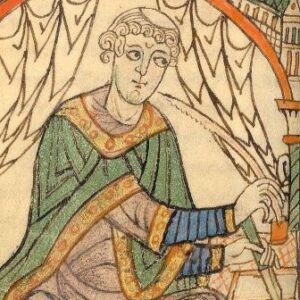
Canterbury
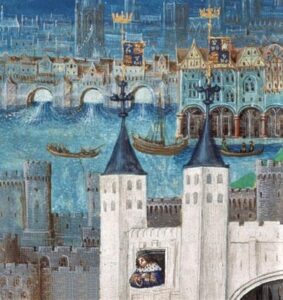
Flambard
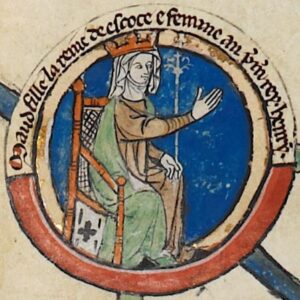
Scotland
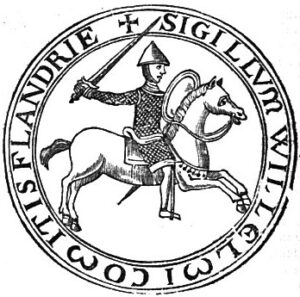
Clito
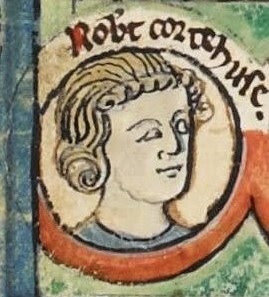
Curthose
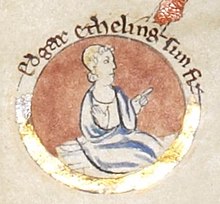
Ætheling
Warelwast
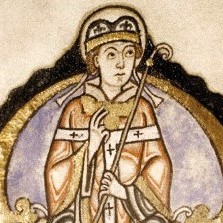
Anselm
“This is a most unusual book. The concept is to tell something about Anglo/Norman history through the lives of some who lived through that period. It is not an academic fact-based account of those times, about which hard facts are often absent from the chronicles. Nor is it a work of fiction, although necessarily much of what we are told cannot be verified. Rather the author tries to fill in the gaps in our knowledge by making inferences about events that seem likely, or at least reasonable, from what is known & in that way construct narrative stories about these people. Most of the names will be unfamiliar except to those already well-versed in England’s history after the invasion by William the Conqueror, whose death is the subject of chapter one. Thus for most of us this book will open windows through which we can peer into half-hidden corners of an unfolding story. It is not always about what did happen but what could have happened and in some cases how events might have turned out differently but for the cold hand of fate intervening. It’s an imaginative way of presenting English history & written in a style that makes for an accessible look at a period that shaped much of how The State has evolved to this day. An interesting, at times fascinating read.”